TechAid Connect Logo TechAid Connect Contact Us
Contact Us

Network Troubleshooting Basics — Why Your Internet Keeps Dropping

Practical methods for identifying connection problems, testing your network, and implementing fixes without calling for tech support.

9 min read Beginner May 2026
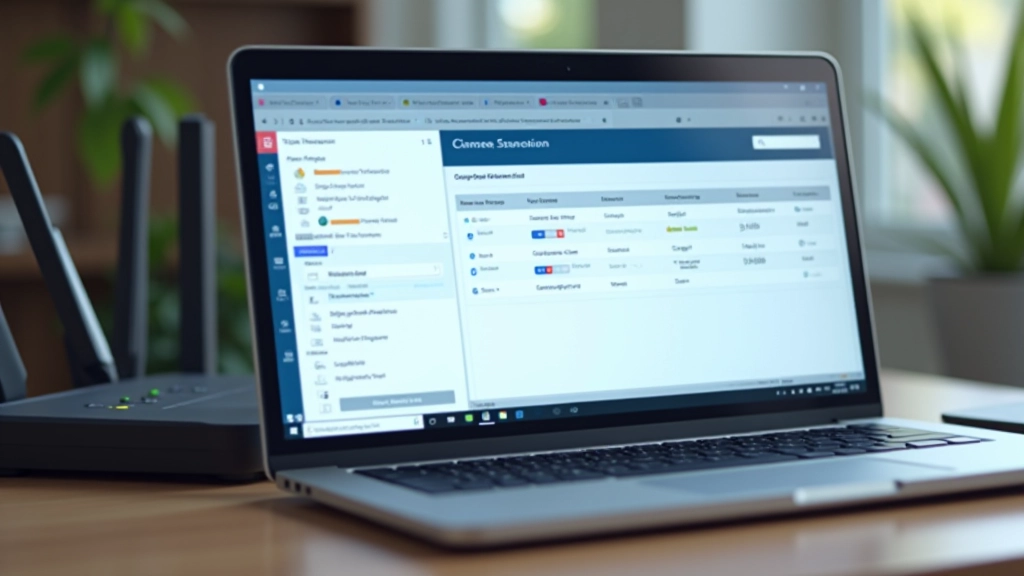
Laptop showing network connection diagnostic tools with wireless router in background

Internet dropping out mid-download, video calls freezing, or losing connection entirely — it’s frustrating. The good news? Most network issues aren’t mysterious. They follow patterns, and you can diagnose them yourself with the right approach.

This guide walks you through the most common culprits and how to identify which one’s causing your problem. We’re not talking about calling your ISP right away — we’re talking about the things YOU can actually check and fix in the next 30 minutes.

The Basic Distinction: Is It Your Network or Your Device?

Before you start digging into router settings, figure out if the problem’s on your side of things or everyone’s side. That one question saves you hours.

Test this: when your connection drops, grab your phone or another device and see if it still works. If your laptop loses internet but your phone stays connected, the issue’s with that specific device. If EVERYTHING goes down — your laptop, phone, tablets — then it’s your network itself.

Quick check: Open your router’s admin panel. Most routers have a status light that shows green when everything’s working. If that light’s amber or red when you lose connection, the problem’s definitely in the router or your ISP connection.

This simple test narrows things down immediately. It’s the difference between troubleshooting your computer versus troubleshooting your whole network setup.
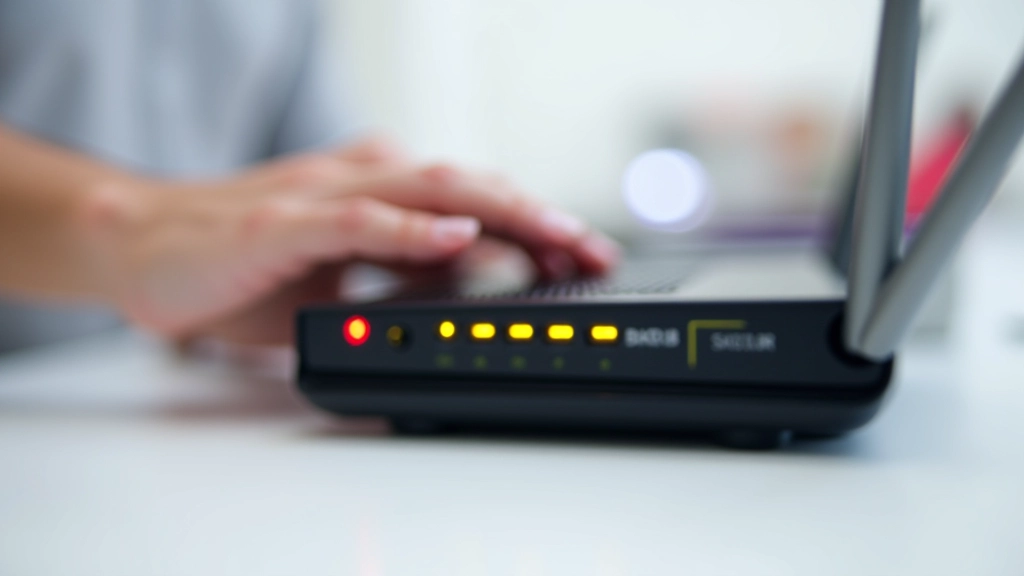
Close-up view of router status lights and ports, hands pointing at connection indicators
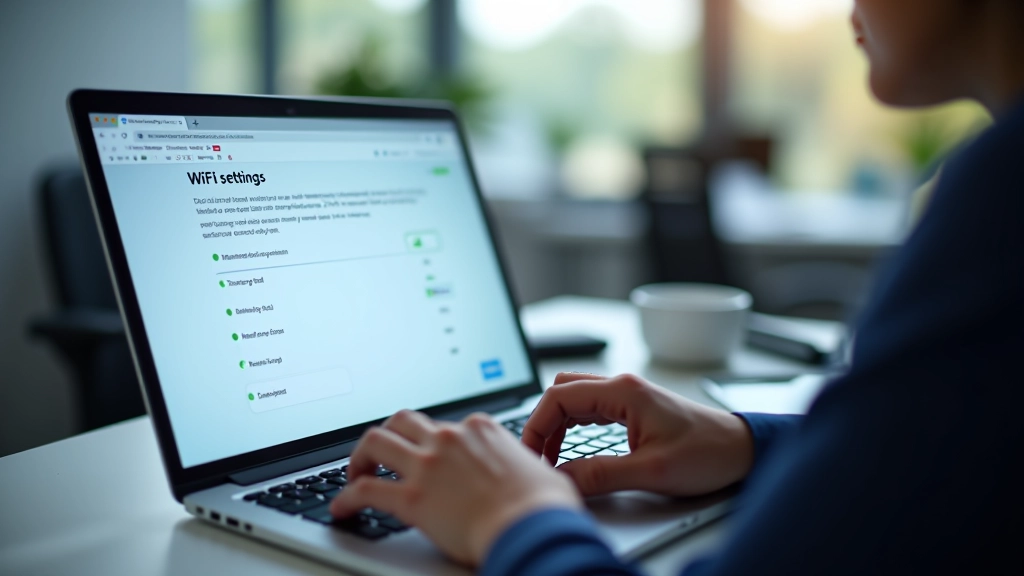
Person checking WiFi signal strength on laptop screen showing network diagnostic utility

Common Reasons Your Connection Drops

We’ll focus on the actual causes you can test and sometimes fix yourself. Not the theoretical stuff — the real problems people face.

WiFi Interference

Your router broadcasts on a frequency, and so do microwaves, cordless phones, and your neighbor’s router. If they’re all using the same channel, they create noise that drowns out your connection. You’ll notice dropouts happening around specific times if it’s interference — like when someone microwaves food at 6 PM.

Weak Signal

Distance matters more than people think. A signal that’s fine from 10 feet away gets spotty at 30 feet. If you’re connecting from the far end of your place, the signal’s just weak. It won’t disconnect completely usually — it’ll just slow down or drop occasionally.

Router Overheating or Needing a Restart

Routers aren’t built to run 24/7 without breaks. After weeks of constant use, they get warm and start dropping connections. A restart fixes it temporarily, but if it keeps happening every few days, your router might be aging out.

How to Test Your Connection Stability

Testing sounds technical, but it’s just a few simple commands. You’re looking for patterns — does it drop at certain times, certain locations, or when you’re doing certain things?

1

Run a Ping Test

Open Command Prompt (Windows) or Terminal (Mac), then type: ping 8.8.8.8 -t (Windows) or ping 8.8.8.8 (Mac). This sends data packets to Google’s servers and shows you response times. If you see timeouts or lost packets when your connection drops, that’s confirmation the internet itself is cutting out.

2

Check Signal Strength (WiFi)

On Windows, right-click the WiFi icon open Network & Internet settings WiFi Manage known networks your network properties. Look for the signal strength percentage. Anything below 50% is weak. Below 30%? That’s definitely causing dropouts.

3

Test with Wired Connection

If you have an ethernet cable, plug your computer directly into the router. If dropouts stop happening, you’ve isolated the problem to WiFi. If they still happen, it’s your ISP or the router itself.

These three tests tell you almost everything. You’ll know if it’s WiFi, your router, or your internet provider within 10 minutes.

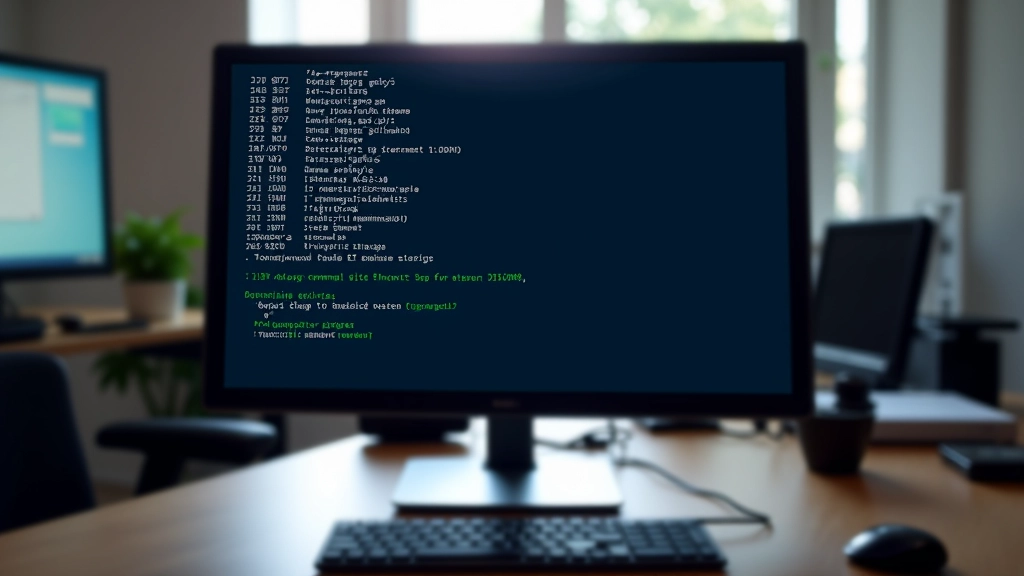
Command prompt window showing ping test results with network response times
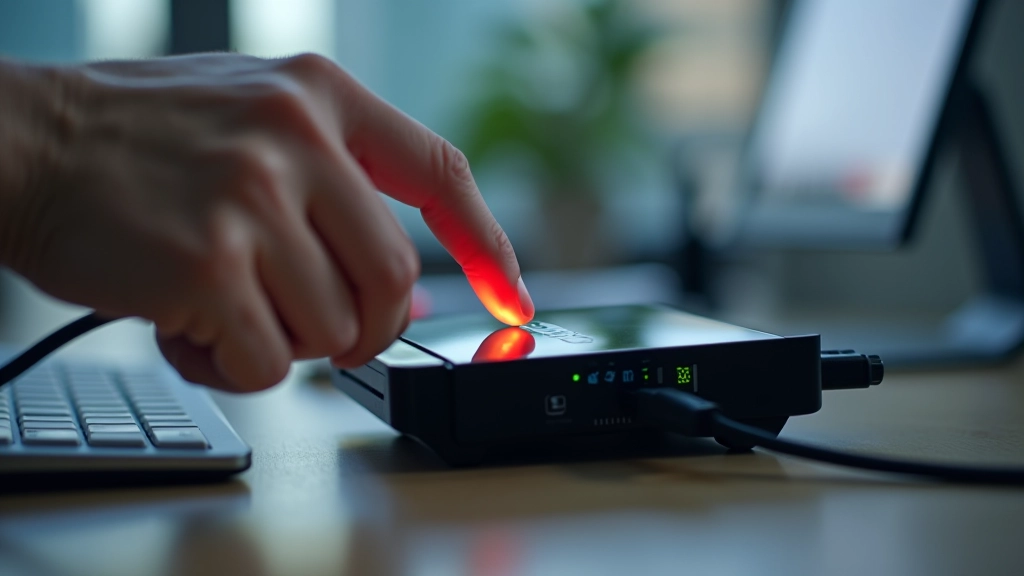
Router being reset by pressing power button, LED lights visible

Quick Fixes You Can Try Right Now

Before you spend an hour on settings, try these first. They work more often than people expect.

Restart Your Router

Unplug it for 30 seconds, then plug it back in. Wait for all lights to stabilize — usually about 2-3 minutes. This clears temporary glitches that accumulate over time. If you’re restarting your router more than once a week though, something’s wrong with it.

Move Closer to the Router

Test whether weak signal is the culprit. Sit right next to the router for an hour and see if dropouts stop. If they do, your placement is the issue. Consider moving the router to a more central location, or using a WiFi extender.

Check for Interference

If you have a microwave, cordless phone, or other wireless device near your router, move it. These things operate on overlapping frequencies and create interference. Moving them 6-10 feet away often solves the problem.

These three things? They’re responsible for fixing about 60% of connection issues people face. It’s worth trying them before anything else.

When to Call Your Internet Provider

You’ve tested everything. Signal’s strong, there’s no interference, you’ve restarted the router twice, and it’s STILL dropping. Now you can call your ISP with confidence because you’ve already ruled out the obvious stuff.

When you call, tell them exactly what you’ve tested. “My ping tests show packet loss starting at 8 PM,” or “I’m getting a weak signal from 30 feet away,” or “The connection drops when I run a wired test too.” Specific information gets you faster solutions than “my internet’s broken.”

Most network issues resolve themselves once you identify which layer they’re on. Your device? Your network? Your ISP connection? That’s the question that matters, and now you know how to answer it.

Disclaimer: This article provides educational information about network troubleshooting. Network configuration varies based on your specific setup, ISP, and equipment. While these troubleshooting steps are generally safe, modifying router settings may affect your network. If you’re uncomfortable performing these tests, contact your internet service provider or a local IT professional. This information is intended to help you understand common network issues, not replace professional technical support when needed.